Magazine Data Page 381

Magazine Data Page 381 |
|





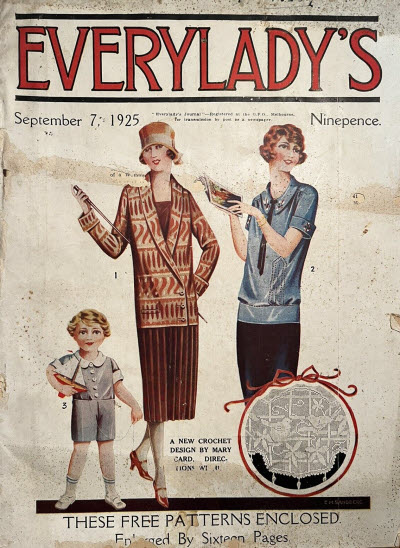
New IdeaCountry: Australia
A long-running Australian weekly magazine aimed at women. Issues & Index Sources
Website: www.newidea.com.au PublishersRelated SitesWikipedia |
|
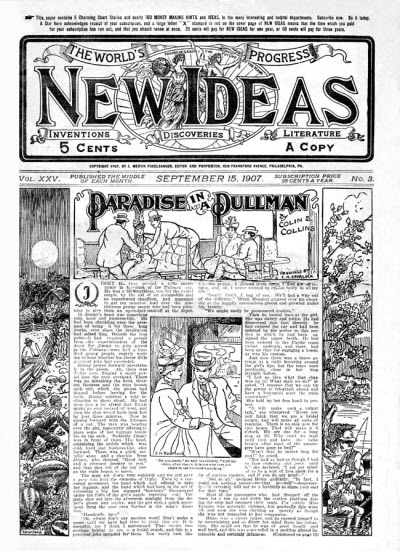
New IdeasCountry: US
New Ideas was a monthly magazine of tiny little print on newsprint paper; full of ads, but containing fiction, fashion notes, money making hints, recipes, beauty hints, and the like.
Editors: J. Mervin Fogelsanger Formats: 10.25" x 14", newsprint Prices: 5c |
|
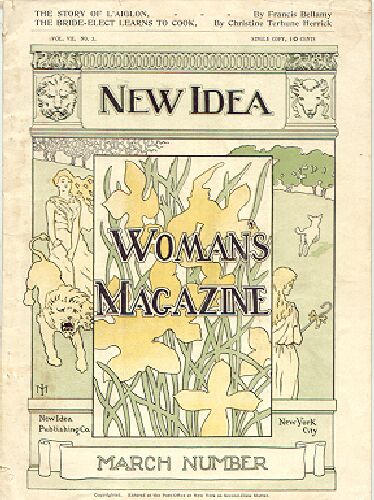
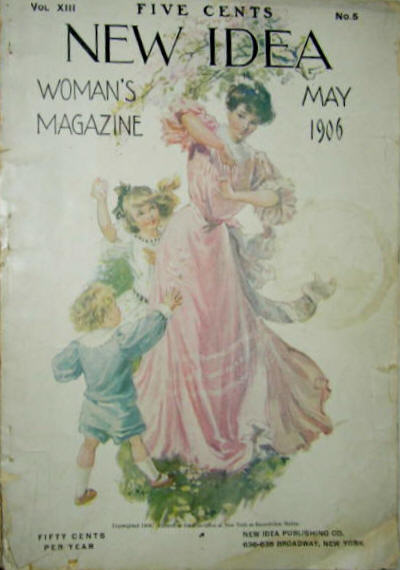
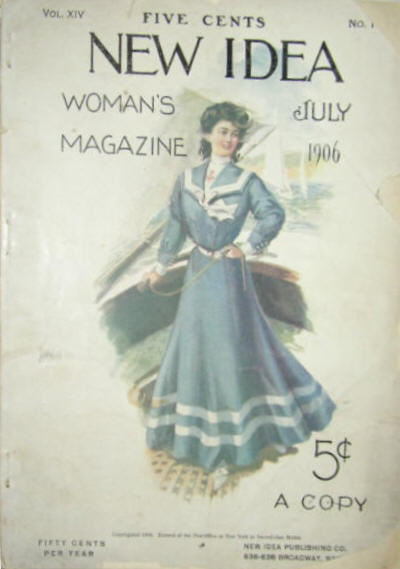
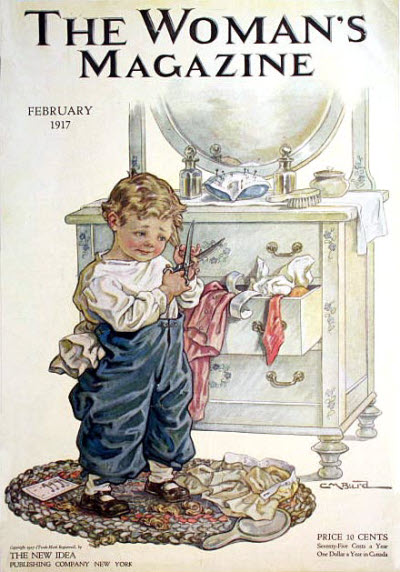
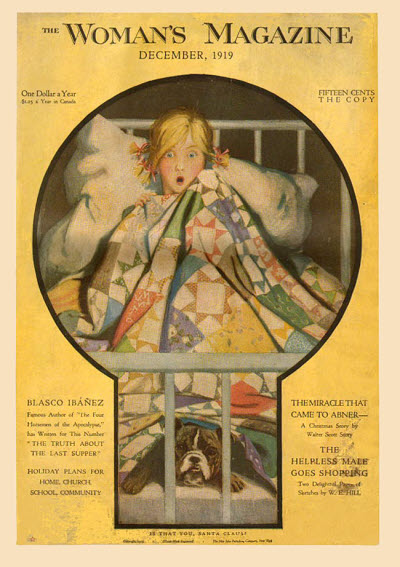
New Idea Woman's MagazineCountry: US
Women's fashion magazine which merged with The Designer in 1920. Issues & Index Sources
#merges with The Designer PublishersThe New Idea Publishing Co., 636 Broadway, New York, NYFormatsbig slickFrequencymonthly |
| |||||||||||||||
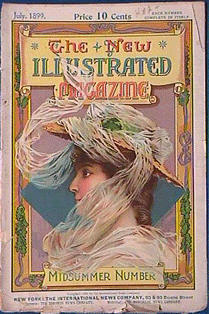
The New Illustrated MagazineCountry: US
American reprint edition of The English Illustrated Magazine.
|
|
New ImpactCountry: UK
"Articles, features... short stories".
Editors: Elaine Sihera (in 1997) Frequency: bimonthly |
New Laurel ReviewCountry: US
Literary miscellany. Has published Sue Walker, Jared Carter, James Nolan. Circulation 500.
Editors: Lee Grue Formats: review Pagecounts: 125pp Frequency: twice yearly? |
The New LeaderCountry: UK
A weekly socialist paper noted for its short stories.
|
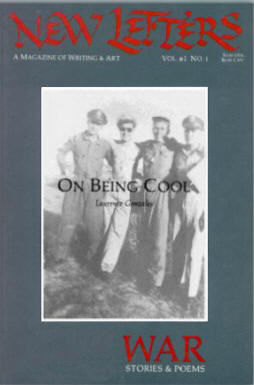
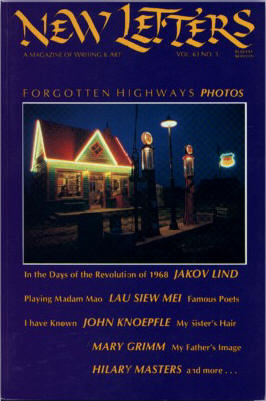
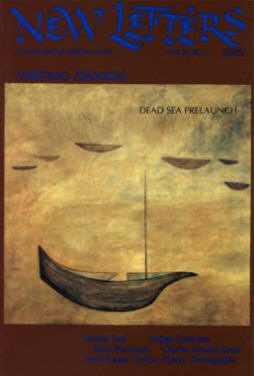
New LettersCountry: US
International literary quarterly. Has published Margaret Atwood, William Burroughs, John Updike, Annie Dillard. Payment minimal. Circulation 2,500.
Email Address: newletters@umkc.edu Publishers: University of Missouri, 5100 Rockhill Road, Kansas City, MO 64110 (in 1998 - 2002) Editors: James McKinley (in 1998 - 2002) Formats: review Pagecounts: 128pp Frequency: quarterly Mentioned in: O. Henry Awards Website (in 2002) |
|
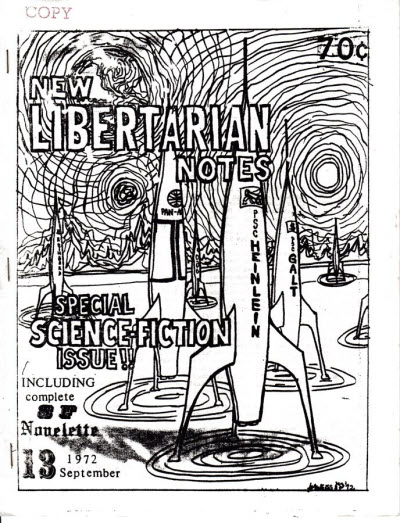
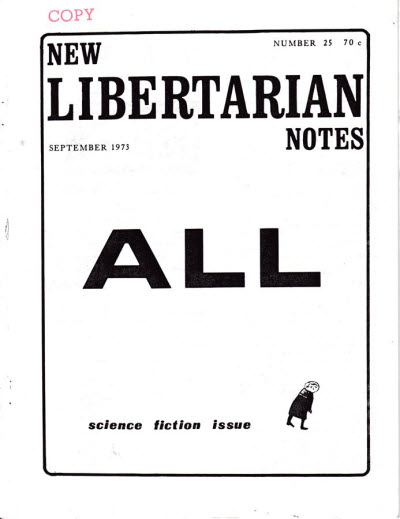
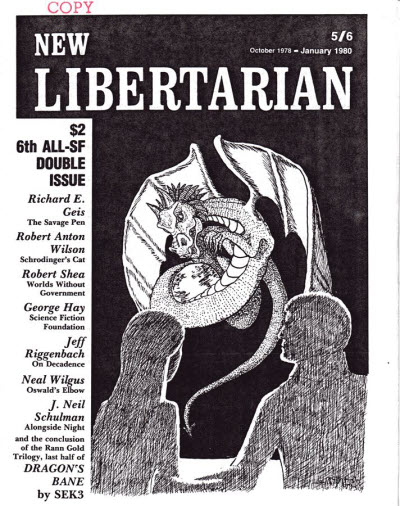
New Libertarian NotesCountry: Canada
Issues & Index Sources
|
|
The New LibraryCountry: UKTotal Issues: 7
|
New Library of FictionCountry: UK
Frequency: weekly |
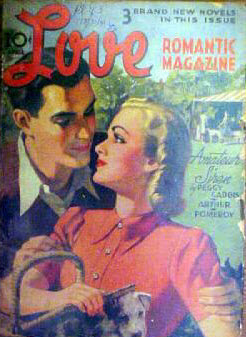
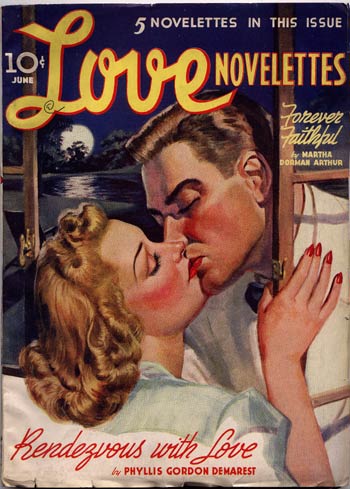
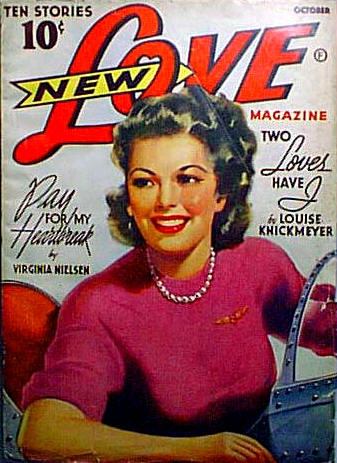
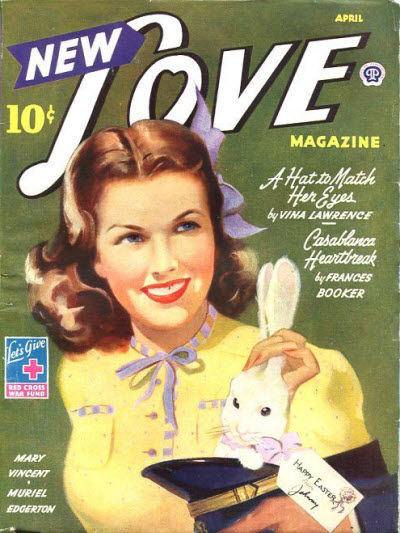
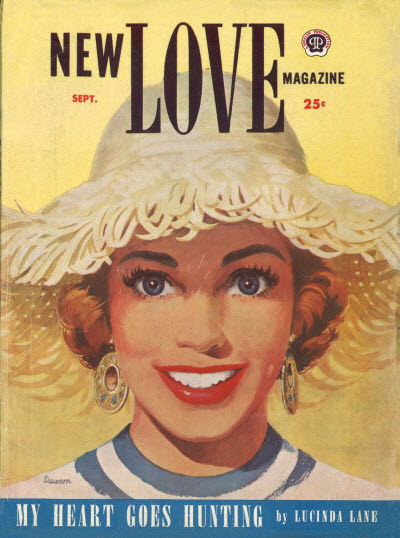
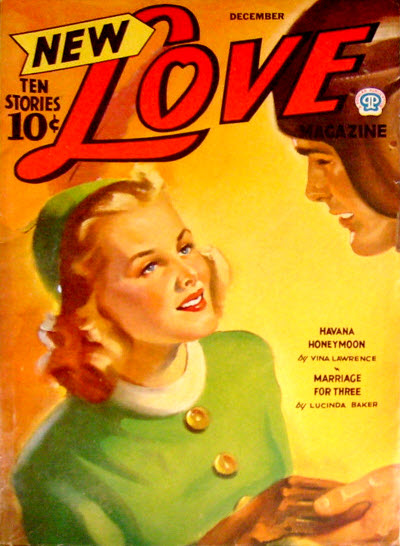
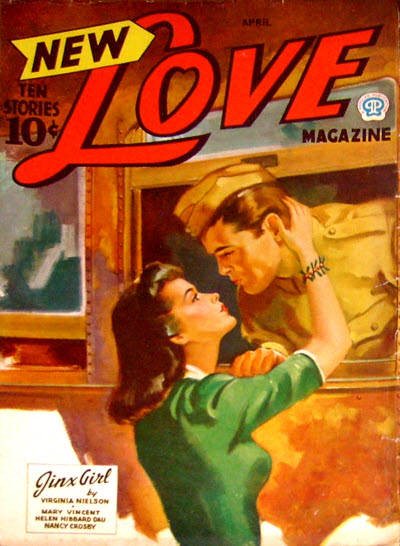
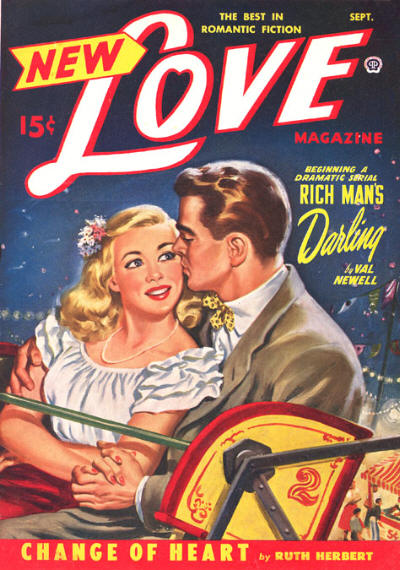
New Love MagazineCountry: USTotal Issues: 1+1+7+126=135
Issues & Index Sources
PublishersPopular PublicationsEditorsPeggy GravesFormatsstandard pulpFrequencybimonthly at outset, later monthlyMentioned in: The Adventure House Guide to the Pulps, Ultimate Guide to the Pulps |
| |||||||||||||||||||||
New Love Magazine (Canada)Country: Canada
Canadian reprint edition of New Love Magazine.
Mentioned in: The Pulpster #11, 2001 |
| ||||||||||||
New Love Stories MagazineCountry: US
Each issue will contain a well rounded mix of stories of loving female/male relationships that will stimulate the readers' imagination. Adult women of all ages will relate to and live vicariously through the escapades of the female lead in each story. Also included in each issue will be a topical selection of cartoons and poetry.
Editors: Suzanne Robyn Formats: quarto |
|
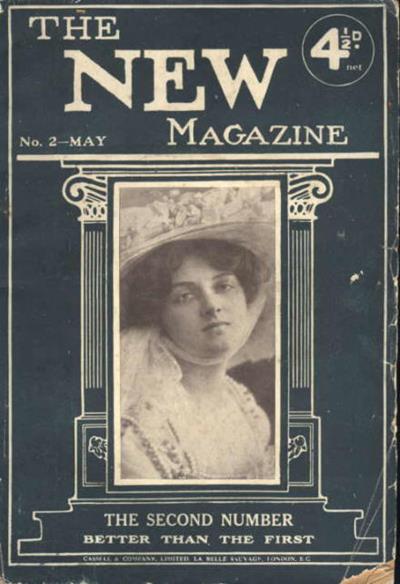
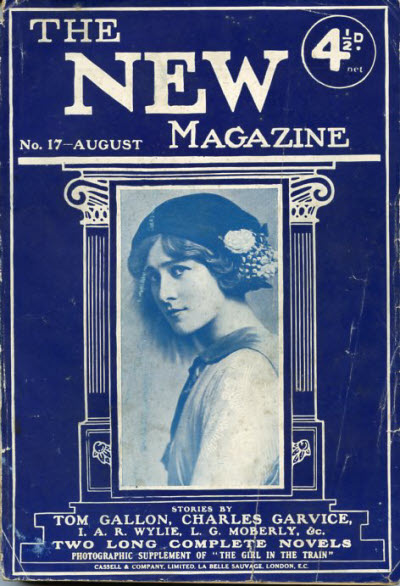
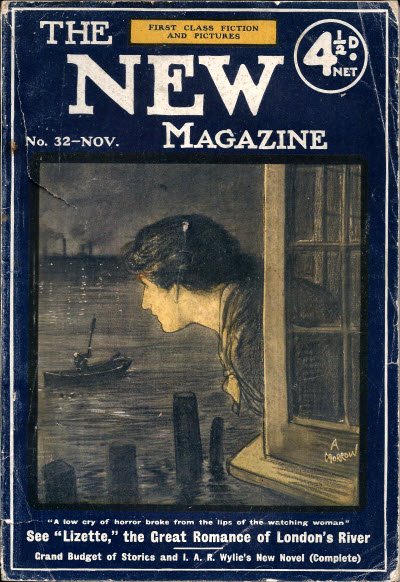
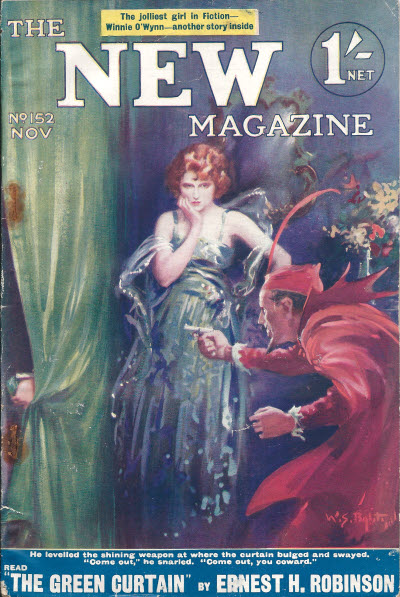
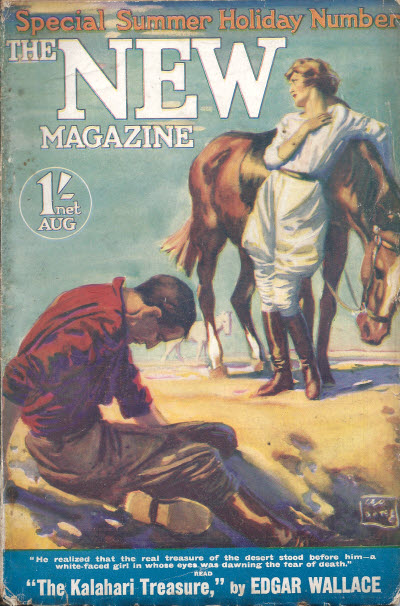
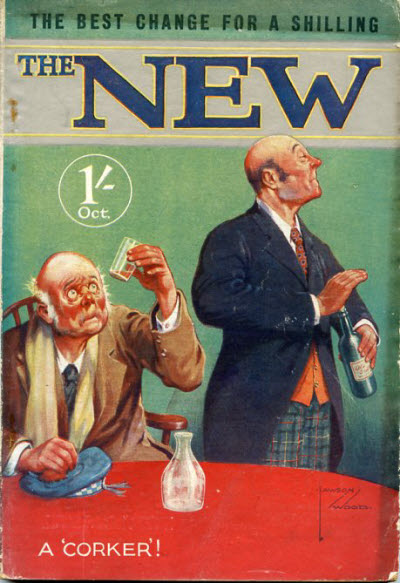
The New Magazine (UK) [1909]Country: UKTotal Issues: 260
All-fiction, and as it developed aimed more at women readers; included many mystery stories including several "Thinking Machine" stories by Jacques Futrelle; also Sax Rohmer, William Hope Hodgson. Issues & Index Sources
PublishersEditorsFormatsstandard pulpFrequencymonthly (but combined issue for Jul/Aug-1926)Mentioned in: The Age of the Storytellers |
| ||||||||||||